

ChatGPT Image Dec 13, 2025, 03_18_43 PM (1)

India Achieves Nationwide 5G Coverage, Lays Groundwork for 6G Technology

India has rolled out 5G services across every State and UT, covering 99.9% of districts. Over 5.08 lakh 5G BTS have been deployed, supported by government schemes such as BharatNet, 4G Saturation and LWE-area connectivity. Faster Right of Way clearances through the GatiShakti Sanchar portal and widespread infrastructure sharing have accelerated deployment. Nationwide, total BTS installations across all technologies have crossed 31 lakh. India has reached a major technological milestone by achieving near- nationwide 5G network coverage across the country. With 5G services now available in almost all districts, the move is expected to significantly improve internet speed, digital infrastructure, and connectivity for businesses and consumers alike. In parallel, the government has also begun early discussions and research initiatives for the development of 6G technology. The upcoming generation of wireless communication aims to deliver ultra-low latency, higher data speeds, and advanced applications such as AI-driven networks, smart cities, and next-generation automation. Experts believe that India’s rapid progress in telecom infrastructure will strengthen its position as a global digital hub and support innovation across sectors including healthcare, education, manufacturing, and fintech.

India-Digital-Transformation-Market

Digital Transformation & Smart Connectivity in India

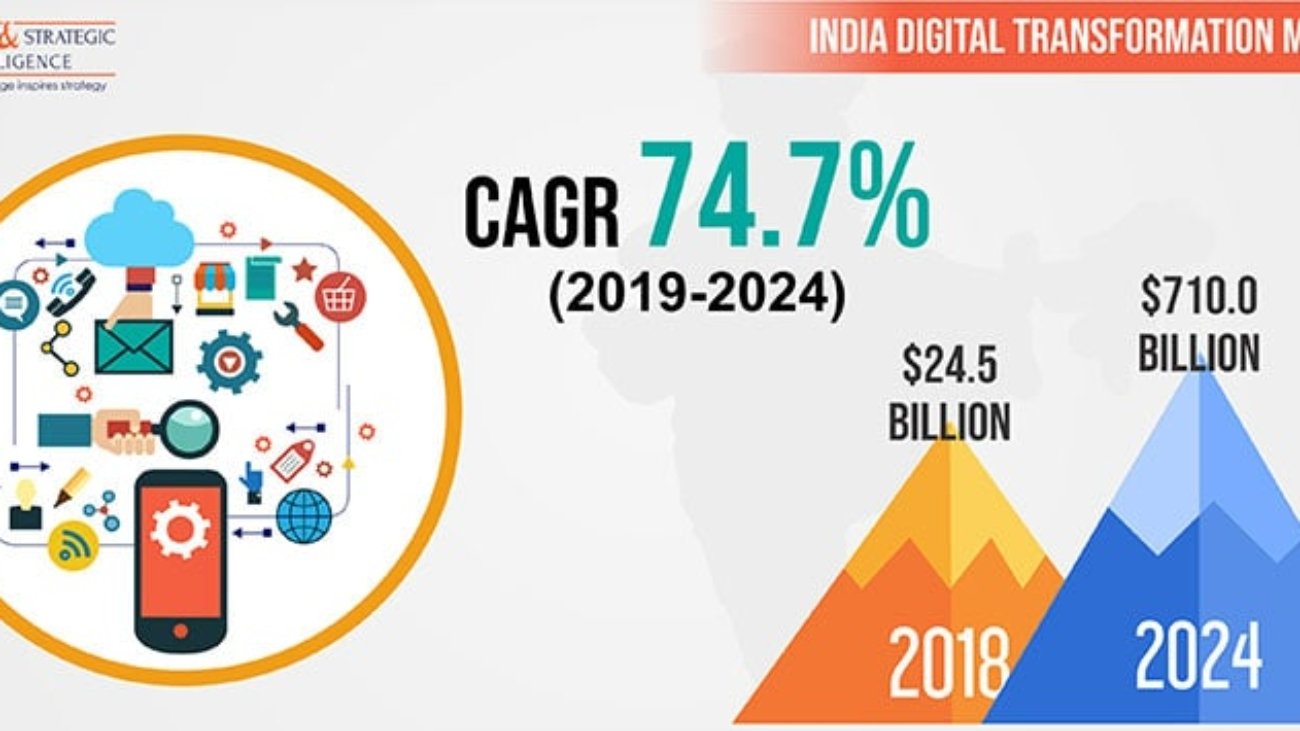
India’s digital transformation is accelerating with the adoption of smart connectivity solutions across industries. Advanced communication networks are enabling faster data exchange, improved automation, and seamless integration of digital services. From smart governance to digital payments and e-learning platforms, strong network infrastructure is playing a key role in connecting people and businesses nationwide.With continuous upgrades in connectivity and digital frameworks, India is moving toward a more inclusive and technology-driven ecosystem that supports innovation, efficiency, and sustainable growth.

Digital transformation is redefining the way India communicates, operates, and grows in the modern digital era. With the rapid adoption of advanced technologies, organizations across sectors are shifting from traditional systems to smarter, faster, and more efficient digital solutions. Enhanced network infrastructure, cloud-based platforms, and high-speed connectivity are playing a crucial role in enabling this transformation at scale.

The integration of digital technologies is improving operational efficiency, data-driven decision-making, and customer experiences across industries such as telecommunications, healthcare, education, finance, and manufacturing. Reliable network connectivity supports seamless digital workflows, remote collaboration, real-time data access, and the deployment of intelligent systems that drive innovation and productivity.

As India continues to invest in digital infrastructure, digital transformation is also contributing to economic development and inclusive growth. Improved connectivity in rural and urban areas alike is bridging the digital divide, empowering businesses, and enabling citizens to access essential digital services with ease. These advancements are laying a strong foundation for future-ready ecosystems built on innovation, sustainability, and secure digital communication.

Staying updated on digital transformation trends is essential to understanding how technology is shaping India’s connected future and creating new opportunities in the evolving digital landscape.

pic.-1

Reliance Capital’s NBFC portfolio shrinks to just insurance

In 2025, Reliance Capital has undergone a major transformation as its NBFC portfolio has been streamlined to focus solely on the insurance segment. This development marks the culmination of a long restructuring process aimed at simplifying operations, reducing financial complexity, and strengthening core businesses. With non-core assets divested over time, the company’s presence in the broader NBFC space has significantly narrowed.

The shift highlights a renewed strategic direction, where insurance emerges as the central pillar of Reliance Capital’s financial services operations. Industry experts view this move as a step toward long-term stability, improved governance, and clearer business focus amid evolving regulatory and market conditions in India’s financial sector.

As the financial services landscape continues to change in 2025, Reliance Capital’s transition reflects a broader trend of consolidation and specialization among NBFCs. Investors and market participants are closely watching how the insurance-led structure performs in the coming years, especially in terms of growth, compliance, and value creation.

This update represents a significant milestone in the company’s journey and underscores the importance of focused business models in today’s competitive and regulated financial environment.

Tech-Office-Space-1024x682

Revenue acceleration key to get our mojo back, says Cognizant CEO Brian Humphries

In 2025, Cognizant’s leadership has emphasized revenue acceleration as the most critical factor in restoring the company’s growth momentum amid a rapidly evolving global technology landscape. Speaking on the company’s strategic priorities, CEO Brian Humphries highlighted that sustained revenue growth is essential not only for financial performance but also for rebuilding confidence among clients, employees, and investors.

The IT services industry is undergoing significant transformation, driven by increased demand for digital modernization, cloud adoption, artificial intelligence, and data-led business models. Cognizant, like many global technology firms, is adapting its approach to align with changing client expectations and market dynamics. According to Humphries, accelerating revenue growth requires sharper execution, stronger client engagement, and a renewed focus on high-impact digital services.

He further noted that organizations today are looking for technology partners who can deliver measurable business outcomes rather than just operational support. Cognizant’s strategy therefore centers on expanding its consulting-led engagements, strengthening digital engineering capabilities, and leveraging emerging technologies to drive value creation for clients across industries such as banking, healthcare, retail, and manufacturing.

Revenue acceleration is also seen as a key driver in revitalizing internal morale and innovation. By focusing on growth-oriented initiatives, the company aims to reinvest in talent, enhance service offerings, and improve long-term competitiveness. As the global IT services market becomes more competitive in 2025, Cognizant’s leadership believes that disciplined execution and growth-focused strategies will be crucial in reclaiming momentum and reinforcing its position as a leading technology services provider.

This renewed emphasis reflects a broader industry trend where technology firms are recalibrating their growth strategies to stay resilient, relevant, and future-ready in an increasingly digital world.

Blog-Funnel-Sprout

How Well Are You Funnelling Shoppers on Social Media?

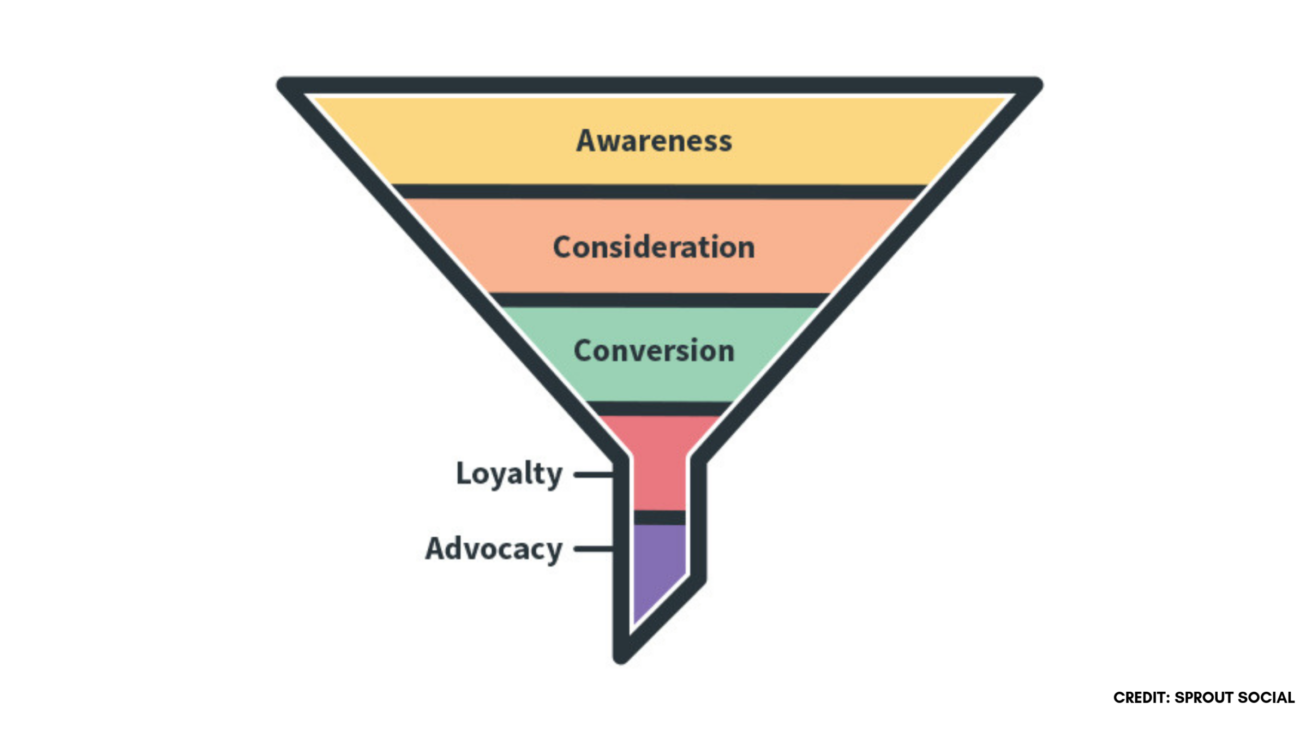
In 2025, social media has evolved far beyond brand awareness and engagement, becoming one of the most powerful channels for driving customer acquisition and online sales. Businesses today are increasingly focused on how effectively they are funnelling shoppers from social platforms into meaningful actions such as website visits, lead generation, and final conversions. The success of social commerce now depends on how well brands design, manage, and optimize their digital funnels.

A well-structured social media funnel guides users through multiple stages, starting from discovery and interest to consideration and purchase. Platforms such as Instagram, Facebook, LinkedIn, and YouTube offer advanced targeting, retargeting, and analytics tools that allow marketers to reach the right audience at the right time. However, simply running ads or posting content is no longer enough. Brands must align messaging, visuals, and calls-to-action with each stage of the buyer’s journey.

Understanding shopper behavior is critical to improving funnel performance. Businesses are increasingly using data-driven insights to analyze how users interact with social content, where drop-offs occur, and which touchpoints contribute most to conversions. Personalized content, influencer collaborations, interactive formats, and seamless checkout experiences are playing a major role in keeping shoppers engaged and moving through the funnel.

In a competitive digital marketplace, effective social media funneling can significantly impact revenue growth and customer retention. Companies that continuously test, optimize, and refine their social strategies are better positioned to convert casual browsers into loyal customers. As social platforms continue to integrate commerce features in 2025, the ability to build and manage strong conversion funnels will remain a key differentiator for brands looking to maximize their digital marketing performance.

woman employee speaking confidently at board meeting in front of cowrkers - concept of briefing strategy, business planning and leadership.

Women are going but are also being driven out

Despite increased participation of women in the workforce, many organizations continue to struggle with retaining female talent. While more women are entering professional environments across industries, a significant number are also exiting due to systemic challenges that remain deeply rooted in workplace culture. This ongoing paradox highlights the gap between inclusion efforts and real, sustainable change.

Workplace factors such as limited career progression, lack of flexible work policies, unequal pay, and inadequate support systems contribute to higher attrition rates among women. In addition, issues like unconscious bias, limited representation in leadership roles, and insufficient mentoring opportunities further create barriers to long-term career growth. These challenges often lead women to step away from promising roles despite strong qualifications and experience.

In 2025, organizations are under increasing pressure to move beyond surface-level diversity initiatives and focus on meaningful inclusion. Creating supportive work environments, ensuring fair evaluation systems, and offering flexible career paths are critical to retaining women in the workforce. Companies that fail to address these concerns risk losing valuable talent, institutional knowledge, and diverse perspectives that drive innovation and better decision-making.

The issue is not about women lacking ambition or capability, but about workplaces that have yet to evolve fully to support diverse career journeys. Addressing this challenge requires sustained leadership commitment, policy reform, and cultural change. As conversations around gender equity continue to grow, the ability of organizations to retain and empower women will remain a key indicator of true progress in workforce inclusion.